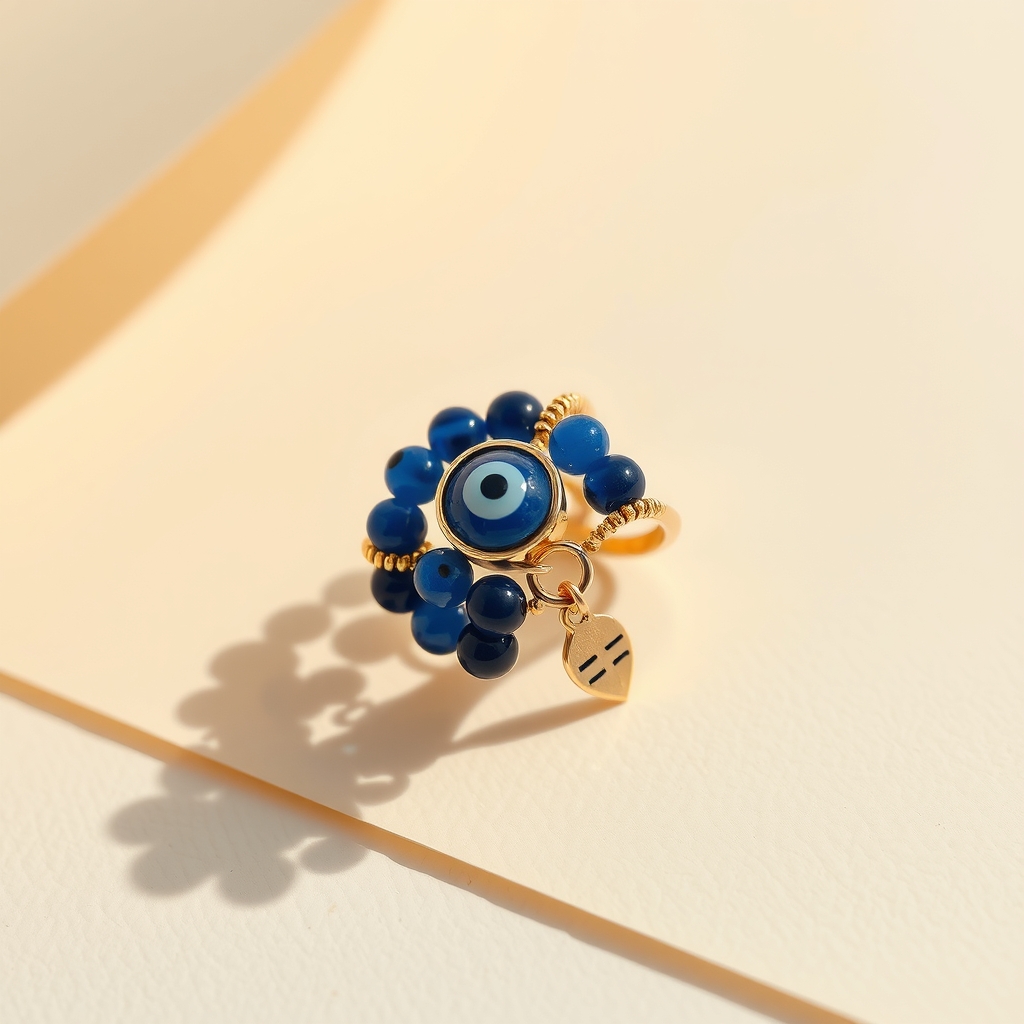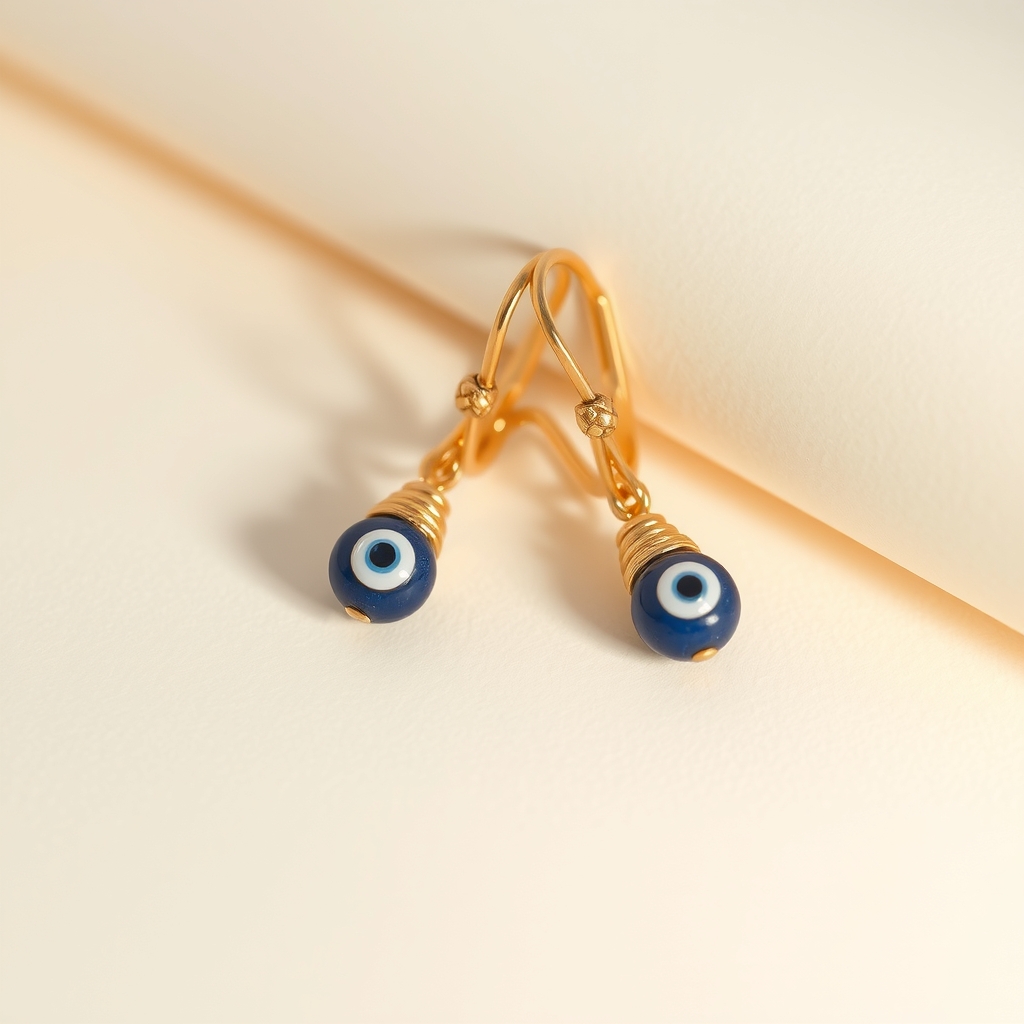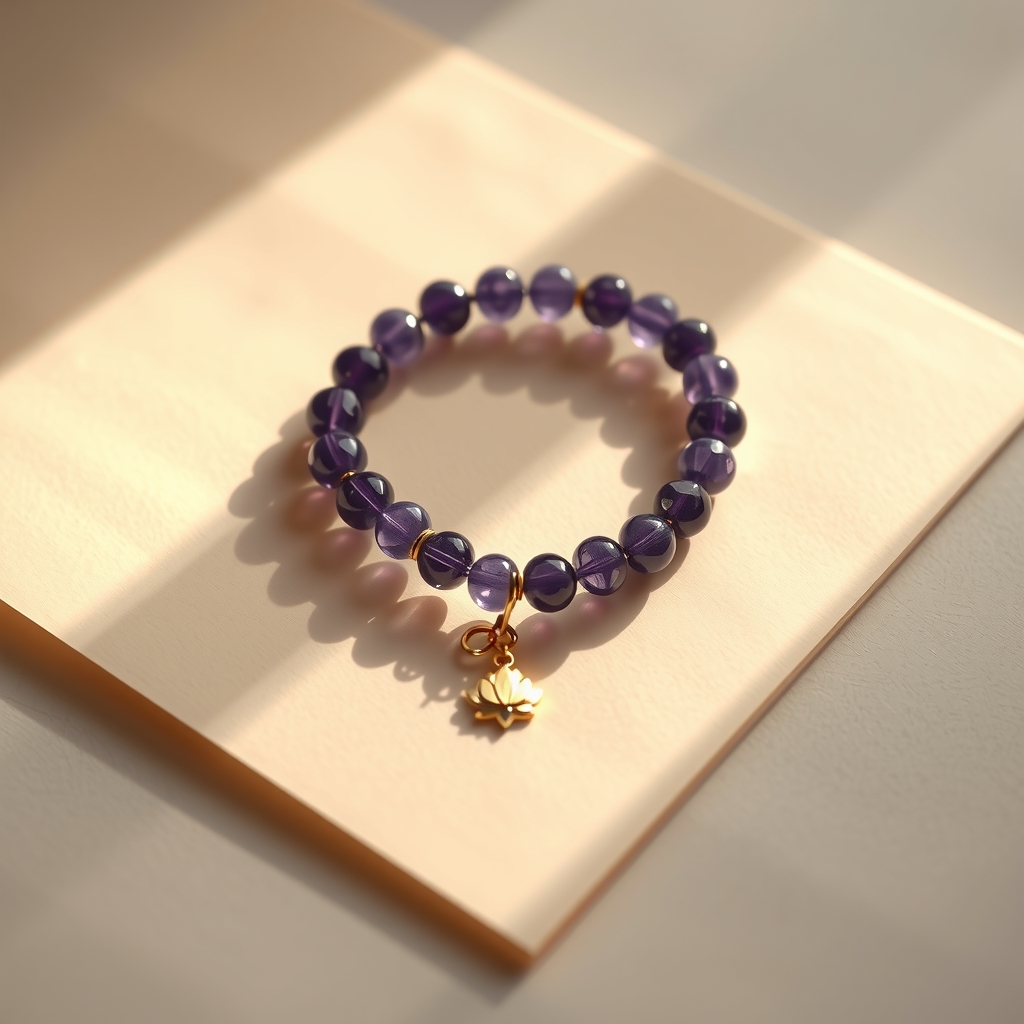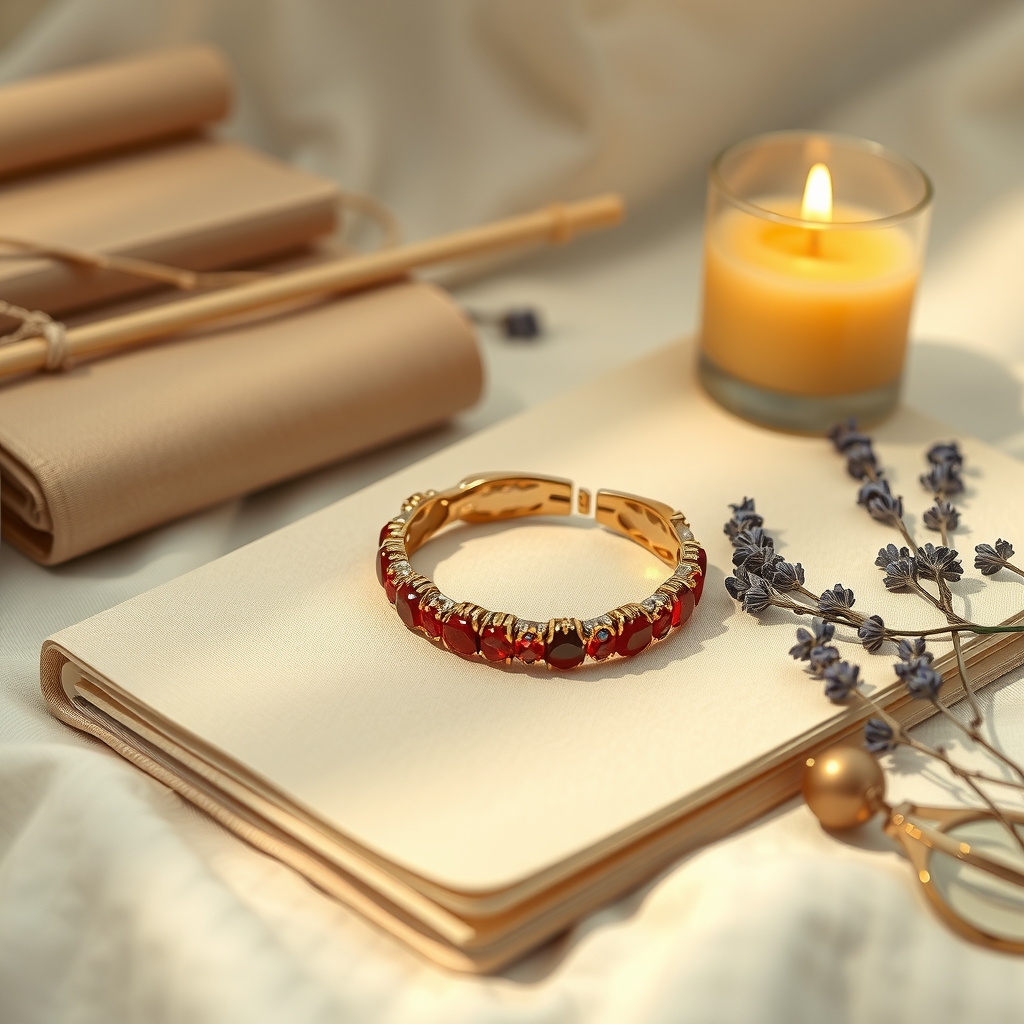
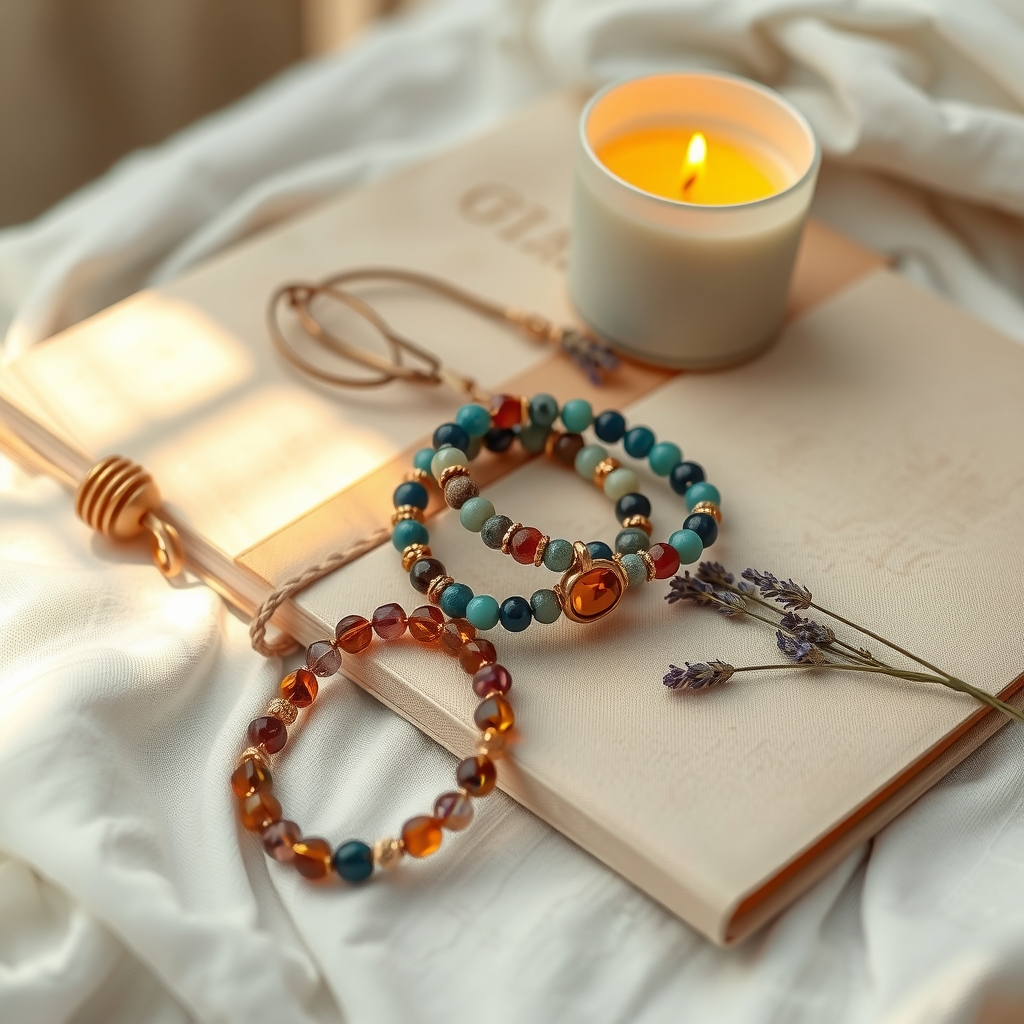
A well-made beaded bracelet lasts years. Whether it lasts ten or two depends, above all, on three enemies: chemically treated water, perfume and friction. This is the routine we recommend to every customer, piece by piece, along with the answers to the questions we receive most by email.
The golden rule: last on, first off
Put your jewellery on after lotion, perfume and hairspray, and take it off before showering, swimming, sleeping and training. That alone avoids eighty percent of problems. Perfume attacks gold plating and dulls porous stones; pool chlorine darkens silver and fades cords; sweat and the rub of the pillow wear out elastic.
18k gold plating
Our gold pieces are brass with 2 to 3 microns of 18k gold plate, which is thick by industry standards, but still a layer. It wears through friction and chemistry, not through time. To make it last: avoid contact with perfume, lotion and hand sanitiser; do not wear it at the beach or pool; store it on its own in its cloth pouch, not rubbing against other jewellery. Wipe it with a soft, dry cloth. Never with toothpaste, baking soda or silver cleaners, which strip the gold.
If the plating wears over the years, we re-plate it in the workshop for a token fee. It is cheaper than a new piece and comes back like day one.
Sterling silver
Silver darkens with air and the sulphur in skin: it is normal and reversible. Rub it with a silver polishing cloth when it loses its shine, and store it closed in its pouch to slow the process. Pieces worn daily darken less than those kept in a drawer, because wear polishes them.
Elastic cord
It is the hardest-working part of a bracelet. Put it on and take it off by rolling it over the hand with your fingers, without pulling on a single bead: every isolated tug frays the elastic from the inside. Do not sleep in it, which is when it is under the most tension without you noticing. With normal use the cord lasts three to five years; we restring for free during the first year.
Waxed cords and sliding knots
They handle everyday water, but dry them with a towel afterwards. The red softens a shade with months of sun; it is part of their character. If the sliding knot loosens, gently pull both ends with the bracelet on.
Stone by stone
- Hard and non-porous (onyx, quartzes, amethyst, citrine, tiger's eye, jasper, garnet, labradorite, aventurine): fine with lukewarm water and a damp cloth. Just avoid knocking them together.
- Porous (howlite, lava, turquoise): dry cloth only. They absorb water, oil and perfume, and stain.
- Metallic (hematite, pyrite): dry cloth; moisture marks them and pyrite can oxidise.
- Soft (lapis lazuli, malachite, amazonite): dry cloth and away from acids, including lemon juice.
- Organic (pearl): damp cloth after each wear and stored separately; perfume dulls them.
- Light-sensitive (amethyst, rose quartz, citrine): do not leave them for hours in direct sun, which lightens the colour.
Where to store them
Each piece in its cloth pouch, in a dry drawer out of the light. Chains hung up or clasped so they do not tangle. Malas coiled, never hung by the tassel. And the watch apart from beaded bracelets, so no bead scratches the crystal.
If something breaks
Write to us with a photo. We restring, replace loose beads, change cords and renew gold plating in the workshop. A bracelet that is cared for and repaired when needed can stay with you for many years.